
Pool Surrounds in Toowoomba: What to Ask Your Concreter Before You Start
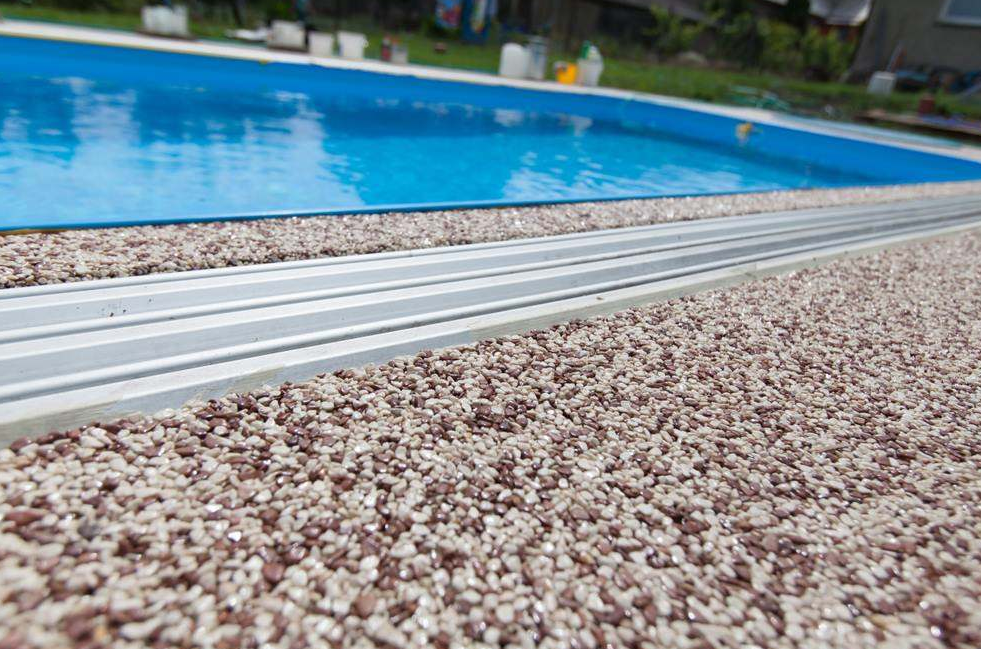
A pool surround is one of those jobs where the decisions that matter most get made before a single bag of concrete is opened. Finish, slip rating, drainage and sealer all shape how the area looks and holds up, yet plenty of Toowoomba homeowners only think about them once the quotes roll in. Getting clear on what to specify puts you in a stronger position, and helps you tell apart concreters in Toowoomba who plan for local conditions from those working off a template.
What Type of Concrete Is Best Around a Pool?
Concrete earns its place around a pool because it does several things at once: it resists constant wetting, shrugs off UV and heat, and can be finished to grip underfoot. Timber greys and splinters, pavers shift and trap weeds, and both cost more to maintain over time.
For a pool surround specifically, concrete brings advantages such as:
- a seamless surface with no gaps for algae, weeds or trip hazards.
- strong durability under the freeze and bake cycle of a Toowoomba year.
- a wide range of finishes and colours to match the house and landscaping.
That mix of resilience and flexibility is why it remains the default for wet outdoor areas.
Why Concrete Handles the Toowoomba Climate Better Than Most Materials
Toowoomba sits higher and colder than coastal Queensland, and that changes what a pool surround has to cope with. Fierce summer UV bakes the surface for months, then winter frosts test it from the other direction. Materials that suit Brisbane or the Sunshine Coast do not always survive that swing intact.
Concrete manages the local extremes well because it can:
- expand and contract without failing when control joints are cut correctly.
- resist the fading and cracking that UV inflicts on softer materials.
- stay sound through frost when the mix and finish suit the conditions.
An installer who works in the region builds these pressures into the plan rather than discovering them later.
Choosing a Finish: Exposed Aggregate, Honed or Broom
Finish is where looks and safety meet, and each option strikes a different balance. Exposed aggregate has become popular around pools because its textured surface of exposed stone gives natural grip while looking premium. A honed finish is smoother and more refined but needs care with slip resistance in wet zones. A brushed or broom finish is the practical workhorse, affordable and grippy, though plainer to the eye.
When comparing finishes for a pool surround, weigh up:
- exposed aggregate for strong slip resistance and a high-end look at a higher cost.
- honed concrete for a sleek, modern finish paired with the right slip treatment.
- a broom finish for reliable traction and value where budget leads the decision.
These are only a few of the decorative concrete options for your home, so it pays to see samples in person before you commit.
Slip Ratings Matter More Around Water Than Anywhere Else
A surface that feels fine dry can turn dangerous the moment it is splashed, which is exactly what happens around a pool. Australian standard AS 4586 sets slip resistance ratings for pedestrian surfaces, and wet areas like pool surrounds call for a finish rated to stay grippy underfoot when water is present.
A properly specified pool surround should account for:
- a slip rating suited to a wet, barefoot, high-traffic zone under AS 4586.
- a surface texture that keeps its grip once water pools on it.
- a finish that balances safety with the look you are after.
Asking about the slip rating up front signals that you expect the job done to standard.
Getting the Drainage Fall Right the First Time
Water has to go somewhere, and around a pool it needs to run away from the house and the pool shell, not pond on the surface or drain back in. Queensland pool areas require specific drainage falls, and getting the slope right is a design decision made before the pour, not a fix applied afterward. This is one area where local experience shows.
A considered drainage plan will typically include:
- a graded fall that directs water away from the pool and dwelling.
- placement of grates or channels to catch runoff at the right points.
- levels set to prevent pooling that stains concrete and breeds algae.
Ask any concreter how they intend to handle fall and drainage before they quote.
Do You Need a Licensed Concreter for Pool Surrounds in QLD?
Work near a pool sits close to strict safety and fencing rules, so who does it matters. Structural concrete work in Queensland above the relevant value threshold must be carried out by a QBCC-licensed contractor, and pool areas carry their own safety and barrier requirements you do not want compromised.
Choosing a licensed concreter protects you by ensuring:
- the work meets QBCC standards and carries the right insurances.
- the surround does not interfere with compliant pool fencing.
- accountability sits with a properly registered contractor.
Confirming licensing early is one of the simplest ways to protect a significant investment.
Why Sealer Choice Is a Toowoomba-Specific Decision
Sealer is easy to treat as an afterthought, yet in Toowoomba it deserves real thought. The combination of blazing summer UV and winter frost is harder on coatings than the coast, and a surface topcoat can blister, peel or cloud under that punishment. Penetrating sealers, which soak in and protect from within rather than sitting on top, generally hold up far better here.
For a pool surround in the region, a good sealing approach favours:
- a penetrating sealer that resists UV breakdown and frost damage.
- protection that guards against pool chemicals and staining.
- a finish that can be maintained and reapplied without stripping a topcoat.
Raising sealer type early tells you whether the concreter is thinking about the long term.
The Questions Worth Asking Before Anyone Quotes
A short list of the right questions to ask before hiring a concreter will tell you more than any glossy brochure. It shows whether they plan for compliance, climate and safety, or whether they are quoting off habit. The answers also make comparing quotes far fairer.
Before you accept a quote, confirm with your concreter:
- what slip rating the finish carries and how it suits a wet pool area.
- how they will handle drainage fall, and whether they hold a current QBCC licence.
- how durable the finish is locally and what timeline they expect.
Straight answers to these points separate a considered operator from a rushed one.
Ready to Plan Your Pool Surround?
Every pool area is a little different, and the best result comes from planning the finish, drainage and sealing around your block and budget before work starts. We at Deon Shaw Concreting have built pool surrounds across Toowoomba and the surrounding region, on properties that face the full stretch from summer UV to winter frost, so we know what holds up here. If you want honest advice from concreters in Toowoomba who plan for local conditions, get in touch to talk through your project and arrange an on-site consultation.